Practical guidance on WHMIS, TDG, defensive driving, ground disturbance, and workplace compliance — written for Canadian workers and the employers responsible for training them. Every article reflects current provincial and federal regulatory requirements.
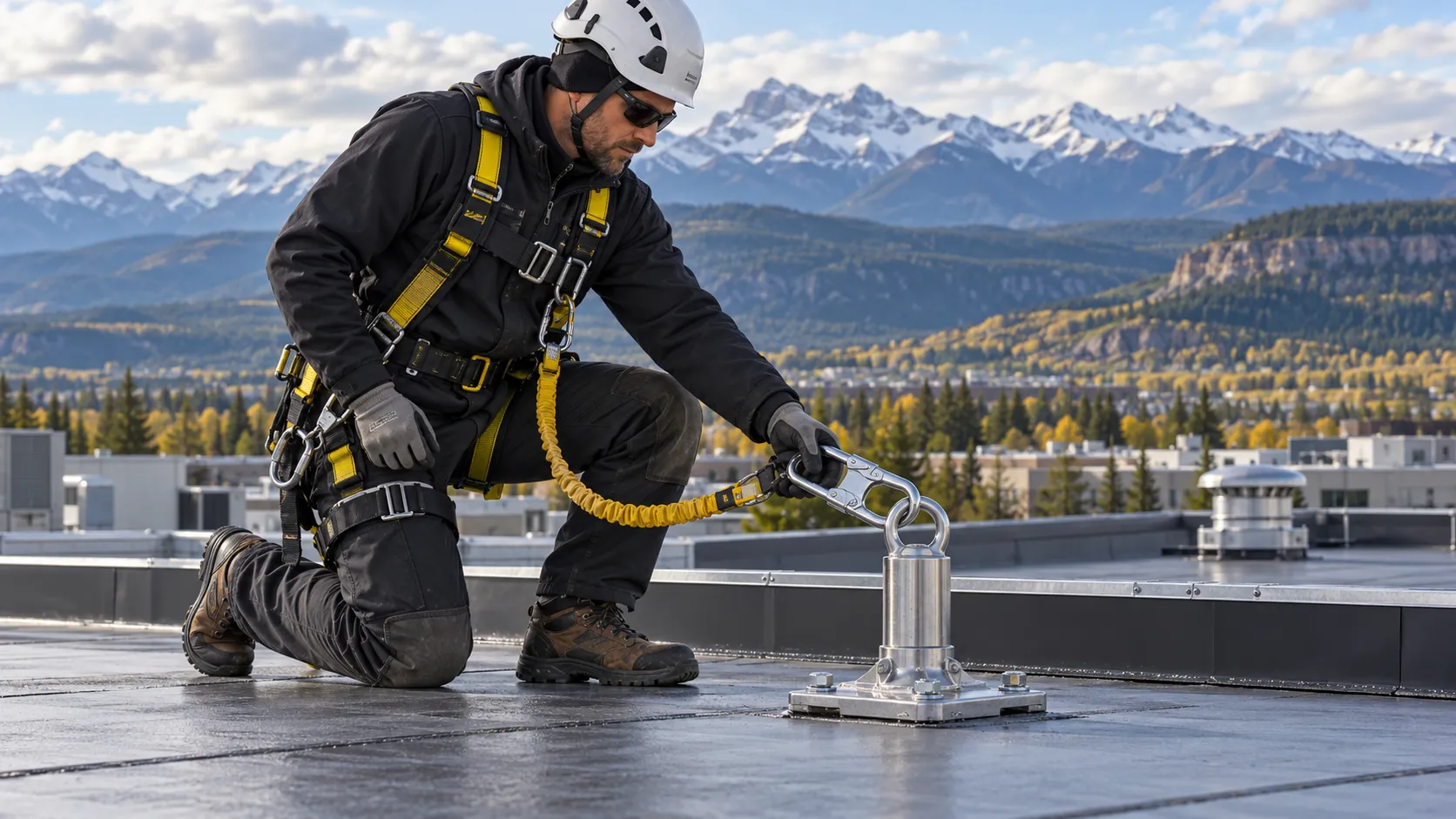
Fall protection training in Alberta is a legal duty that sits with the employer. Here's what the OHS Code says the training must include, and the hands-on part an online course can't cover on its own.
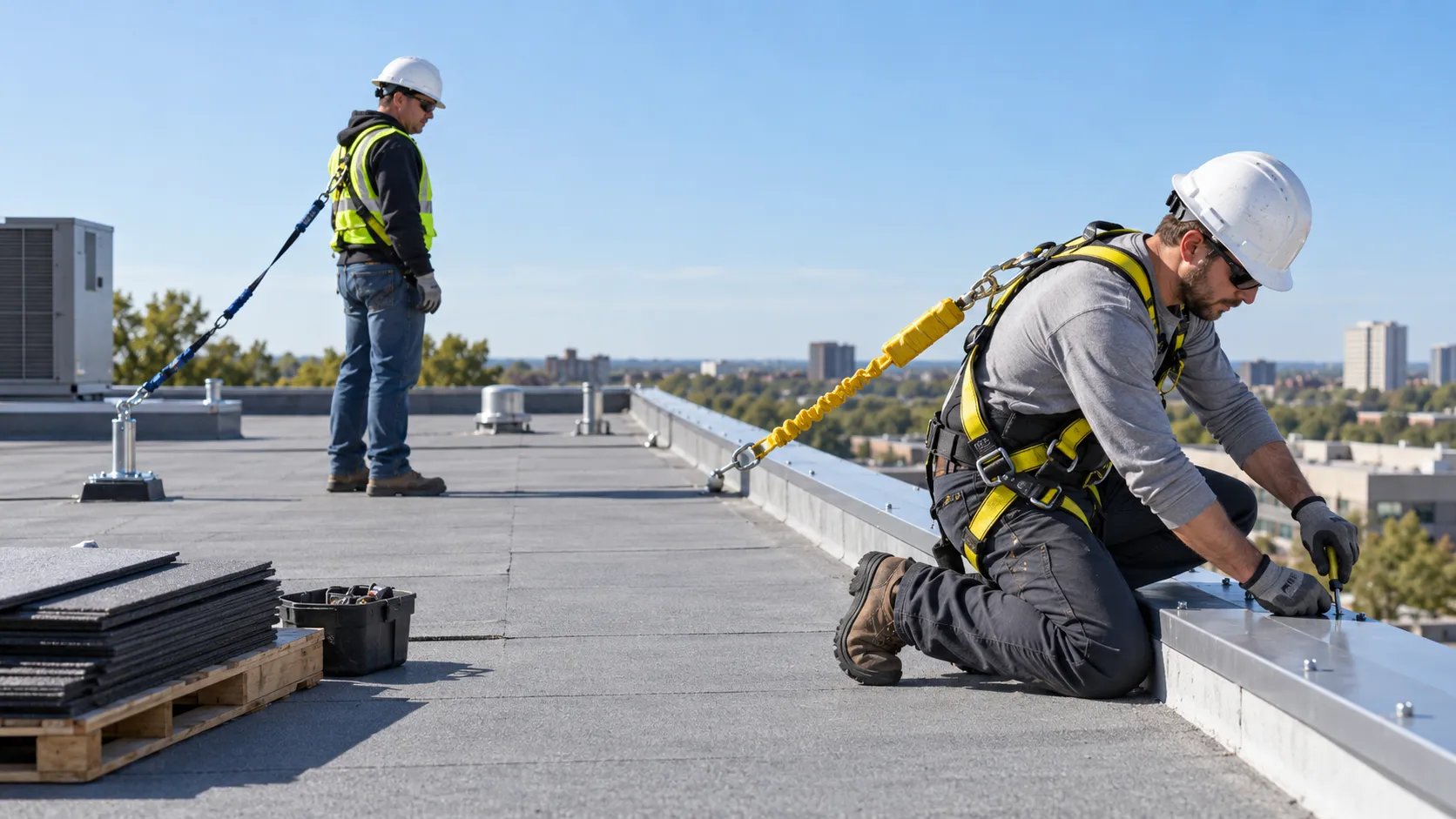
In Alberta, travel restraint comes before fall arrest. Here's the order the OHS Code sets, how anchors, clearance and rescue differ between the two, and what fall arrest training covers.

An approved defensive driving course can remove up to 3 demerit points in Alberta, once every 2 years. Here's who qualifies, the timing rules, and how to claim the credit at a registry agent.
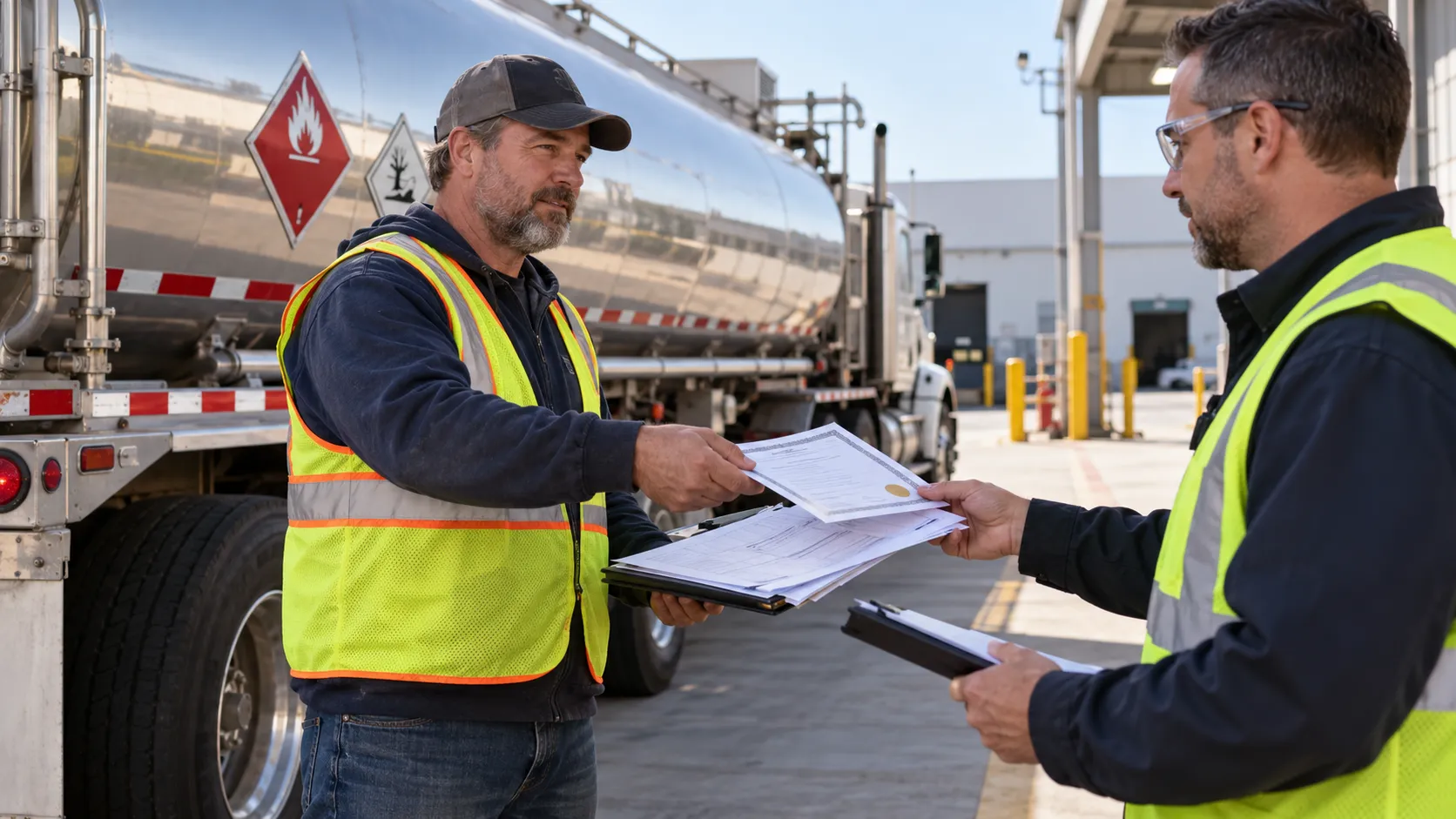
A TDG certificate expires 36 months after issue for road transport, and it doesn't follow you to a new employer. Here's what to do when it expires, goes missing, or you change jobs.
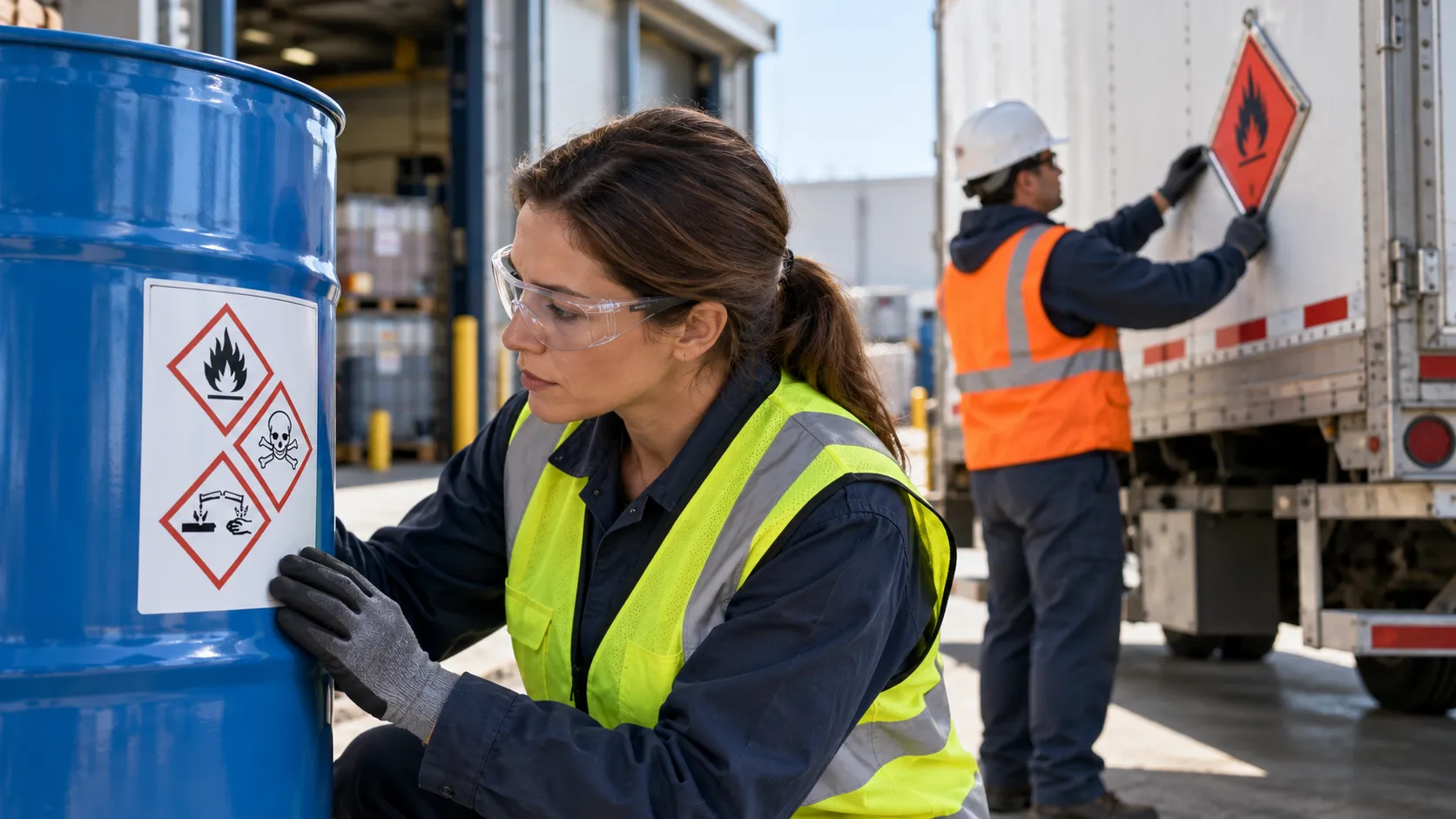
WHMIS covers hazardous products where people work with them. TDG covers dangerous goods while they're being moved. Here's who needs which certificate, and why many shipping and warehouse roles need both.
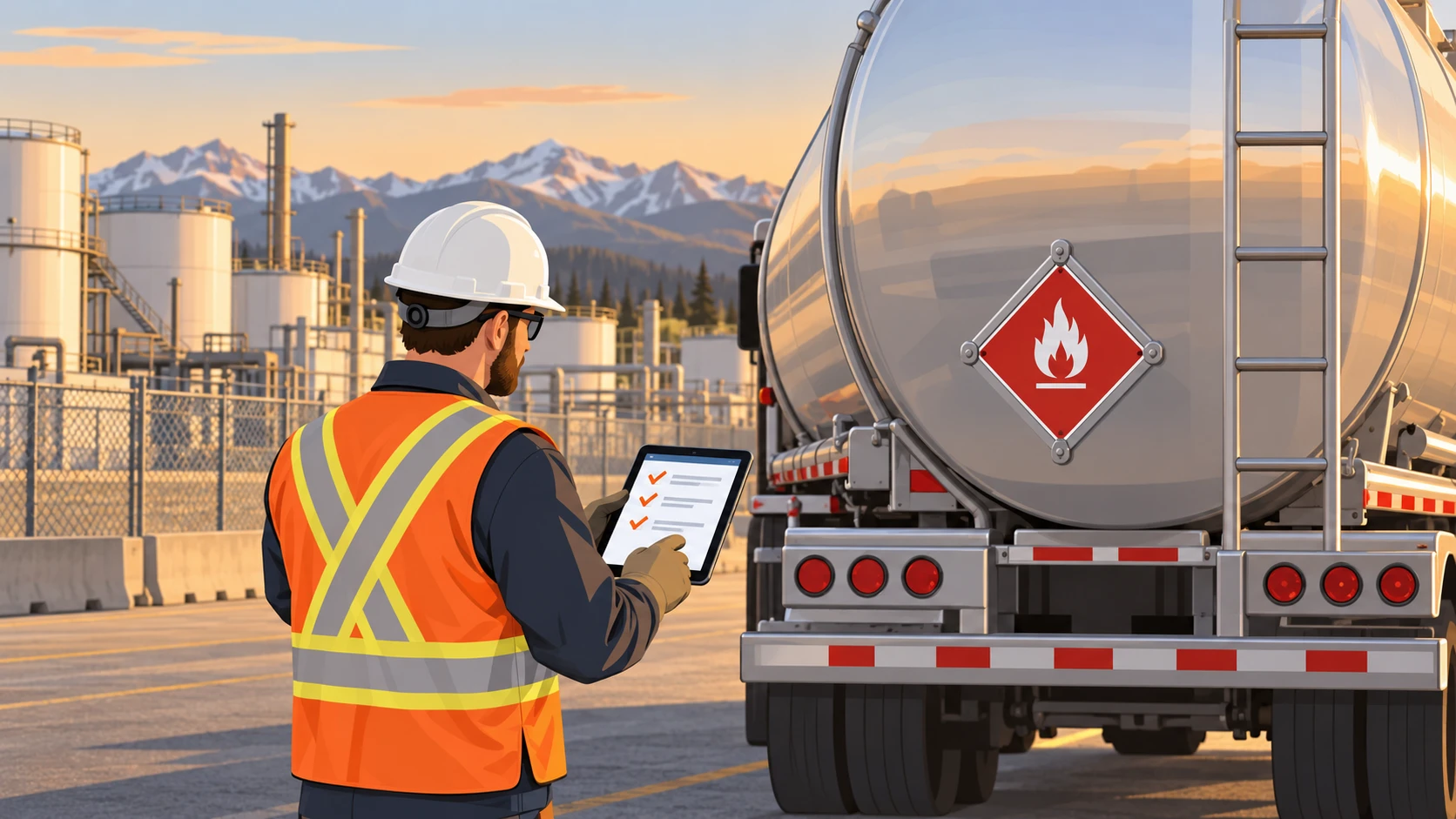
TDG certification isn't a single course everyone passes the same way. Transport Canada requires training scoped to what you actually do — and no official body approves courses to check that.
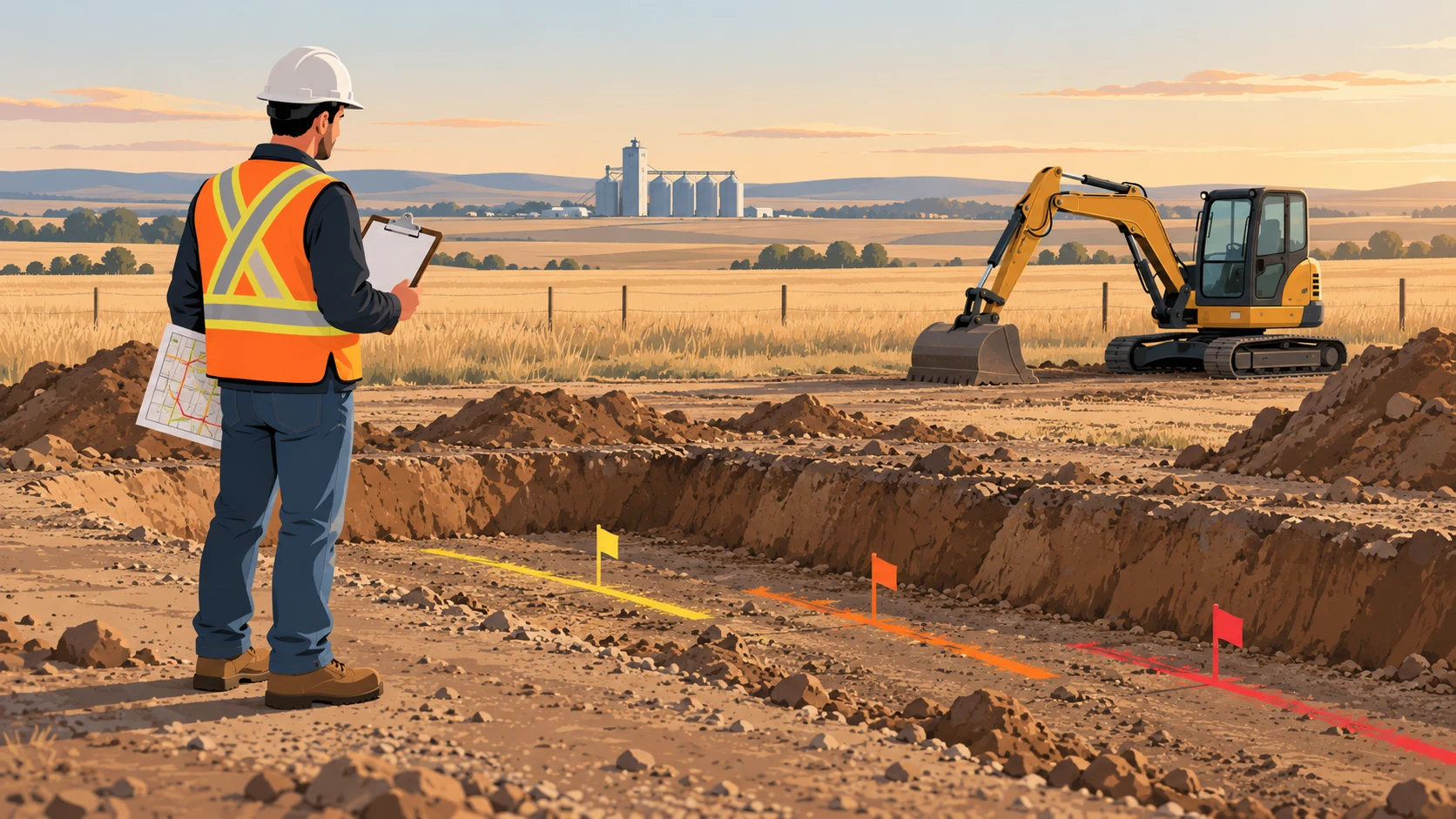
A common assumption trips up a lot of new supervisors: that you need Ground Disturbance Level I before you can take Level II. You don't. Here's what separates the two levels, and which one your role requires.

WHMIS certification in Alberta covers the generic hazard system — but it's only half of what the law actually requires. Here's what an online course gets you, and what your employer still has to provide.
Same-day certificates. Complete online, at your own pace.
Browse All Courses →